Malaysia has always used 'cheap labour' to attract foreign investors or foreign companies to open factories in Malaysia...Malaysians did not make a big deal about that because the Malaysian government did things that ensured our COST of LIVING was kept low - affordable HEALTHCARE, EDUCATION and social welfare protection.... for us to still live a good life with the low incomes and wages. Even there was PRICE CONTROL that ensured we could buy needed food, cooking oil, cooking gas and even other materials. There was affordable PUBLIC TRANSPORT ...fuel subsidies, low parking fees... BUT NOW things are changing fast - subsidies are being removed, public transport dissappeared in most places, BUT wages are still LOW > minimum wages RM1,700(despite the fact that even Bank Negara said that minimally we need double that Minimum wage for a simple lifestyle).
The entry of migrant workers DECREASED wages to the extend that many local workers with the needed skills are not foolish to do the work with such a LOW PAY. Is Malaysian adopting neo-liberalism(or Capitalism) - which means 'if you want it, PAY for it' - and, if no MONEY, too bad for you...? NOW, Malaysia seems to be pro-business and interested in making monies > no more it seems the primary concern is welfare and well-being of ALL Malaysians, even the poorest? MLAYSIANS need to speak up now...as we all know that US that practices capitalism is a FAILED STATE with so many poor being left out. US also was most concerned about HEALTHCARE - and Obama tried to make it affordable and accessible to ALL - not just those who had monies...though it FAILED.
Most Malaysians are also MOST concern about HEALTHCARE (Public Healthcare that is Free and/or Affordable), EDUCATION (the right to FREE education until University), and SOCIAL WELFARE protection by government (more so now with the growing number of Senior Citizens - where there is a question of Income for Survival, Healthcare Needs and even OLD-AGE care - which requires many a time for the elderly to be placed in old-care homes - which is very expensive if we depend on private sector establishments...). Related to this is Affordable PUBLIC TRANSPORT to go to Hospital, etc...paying maybe RM1-2 > GRAB is not affordable public transport Minister Anthony Loke??? Anwar Ibrahim's government failed to restore LOCAL affordable PUBLIC Transport in almost all the Districts in Malaysia to date. Towns have grown - but how do people move around without some PUBLIC BUS SERVICES - yes, they have it in Klang Valley, Negeri Sembilan and Penang - what about the rest of Malaysia...
We are LOSING Doctors and Healthcare Personnel - so not enough for the Public Healthcare?
WHY? Many are being 'PINCHED' by the Private Sector - who attract government public heathcare personnel with better wages and conditions >>> WORSE, the government is AGAIN at fault as it is still approving NEW PRIVATE Hospitals and Healthcare facilities - and where do these private facilities get their doctors and nurses, etc - YES - they take the staff from PUBLIC HEALTHCARE facilities...SO, that is why some are calling for the Government to stop APPROVING new PRIVATE Hospitals...
PM Anwar and many of them politicians/MPs are RICH ENOUGH to use private healthcare facilities - they have the MONEY but most Malaysians depend on government hospitals, clinics and healthcare facilities >> they cannot afford the LUXURY to pay for PRIVATE HOSPITALS, etc
Should we CRIMINALIZE private hospitals from taking healthcare personnel like Doctors, Nurses, other personnel from PUBLIC hospitals. clinics, etc?
When there is a PRIVATE hospital - the government also tend to not build a Government Hospital in the area? Are there government hospitals in Petaling Jaya, Subang Jaya or even Shah Alam?
What are the other things that the government should do, besides increasing the number of trained medical personnel? INCREASE wages, eliminate perception of race-based discrimination when it comes to promotion, provide FREE housing for all medical personnel, ensure they are not denied Government PENSIONS (now the Government is employing many as 'contract' personnel and placing them under the EPF/KWSP scheme - no more PENSIONs - but still have not removed PENSION rights for MPs/Senators/Ministers??? which must happen?)
In Thailand - all you need to pay is 30 Baht(less than RM3) - and that covers consultation, medicine, ward charges, surgery, etc...
Thailand has also expanded their HEALTHCARE - so you can go to private hospitals/clinics and still pay the same RATE, 30 Baht - for healthcare - and so, the non-availability of a government hospital nearby is solved...
Many years ago in Subang Jaya, a child was injured and the parent had no choice but to rush to a nearby PRIVATE hospital, as there was no nearby government hospital and ended paying about RM2,000 for treatment - Malaysia has a minimum wage of RM1,700 and thus it is really UNAFFORDABLE for Malaysians to use PRIVATE healthcare facilities...???
In Thailand, another scheme is to allow government medical personnel to take a 2nd JOB at private healthcare facilities during their free time...That also help increase INCOME legally for medical personnel..whilst they continue to be PUBLIC HEALTHCARE personnel...
Now, in Temerloh, where previously in the middle of the night, when one needed immediate medical care/treatment, one could go to the Mentakab government Health Centre - as there was a 24-hour unit there with needed doctors, nurses, pharmacist, etc with the needed equipment to deal with EMERGENCY medical patients - now it is closed down...WHY? And everyone will have to rush to the SPECIALIST hospital 15 - 50 plus KM away for all kinds of medical emergencies...(but a SPECIALIST Hospital is not a General Hospital and it covers a much wider area in Pahang receiving patients needing Specialist attention from various government Hospitals in the State....)
HEALTHCARE is a MOST IMPORTANT concern for VOTERS, where the majority simply cannot afford to PAY SO MUCH unlike our PM, Ministers and MPs(basic allowance RM16K, plus allowance comes to RM40-50K a month???)
Malaysia seems to focusing on MEDICAL TOURISM - but Malaysia cannot even provide PROMPT and good healthcare to Malaysians - how many are in QUEUE for so long before the Malaysian Heart Institute is able to provide heart healthcare services at an affordable rate.
Even during COVID-19, how many PRIVATE government linked hospitals OPENED their DOORS to provide healthcare at government rates?
READ why the call to stop building PRIVATE Hospitals > how many NEW Hospitals is this government building? What is the government doing to deal with already overcrowding hospitals/clinics?
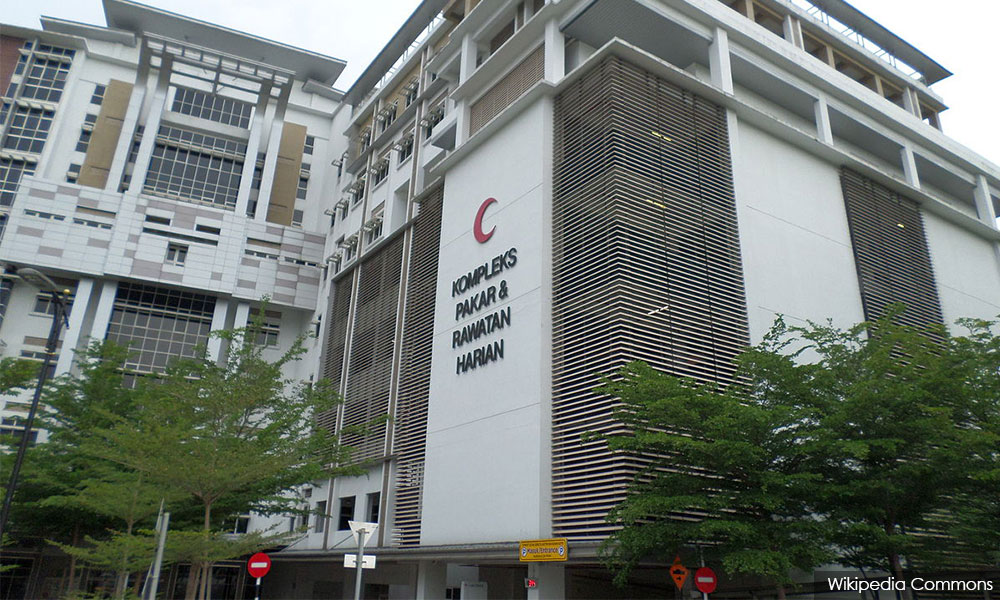
Parti Sosialis Malaysia (PSM) has urged the government to impose a five-year moratorium on the construction and commissioning of new private hospitals.
It warned that unchecked private sector expansion is siphoning off healthcare workers from an already overstretched public system.
In a statement today, PSM’s Save Our Public Healthcare Campaign member Dr Cecilia Anthonysamy said the rapid growth of private healthcare, including that driven by medical tourism, is “poaching” doctors, nurses, and specialists from government facilities facing critical shortages.
“Poaching refers to the aggressive recruitment of healthcare professionals from systems already struggling with shortages,” she said, noting that the trend echoes a long-standing global pattern where richer countries pull talent away from poorer ones.
“Not unlike the global health workforce crisis, our ‘poorer’ public healthcare system is losing its healthcare workforce to the wealthy private healthcare sector,” she added.
Cecilia said PSM is rallying public support to sign a petition and join a rally tomorrow (Dec 12), outlining demands including:
A moratorium on new private hospitals
Measures to stem the brain drain from public hospitals
Policies to strengthen the public healthcare workforce
A firm commitment to universal access to quality care
“We need (a larger) healthcare workforce for our public healthcare system.
“Stop the brain drain. Stop the poaching,” she stressed.
The rally will be held at 11am at the Malaysia Healthcare Travel Council in Kuala Lumpur.
Far below international standards
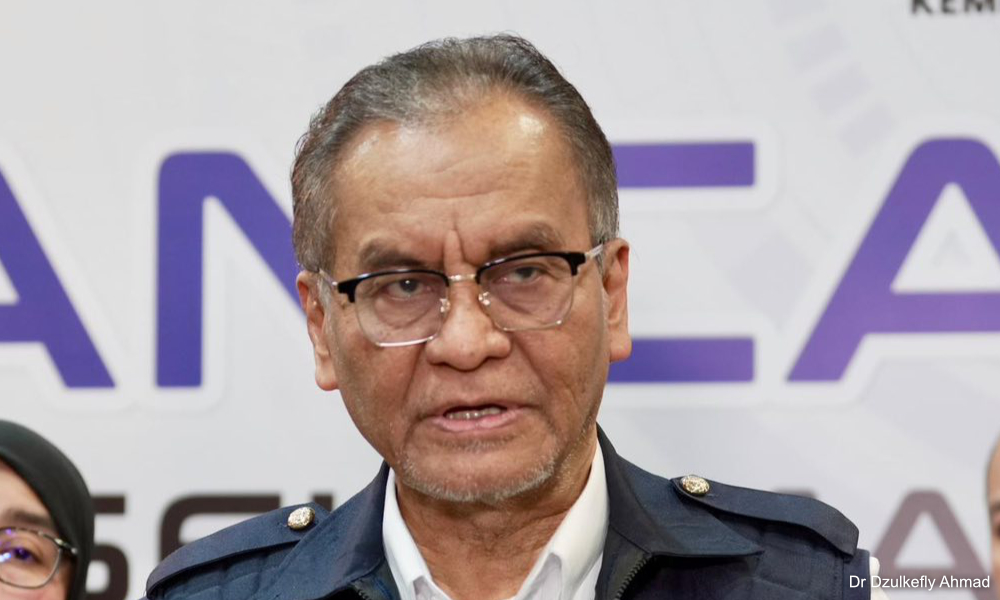
Citing figures revealed by Health Minister Dzulkefly Ahmad, she noted that 6,919 public healthcare workers resigned and moved to the private sector between 2020 and 2024, including 2,141 nurses.
Dzulkefly had also warned that Malaysia could face a nursing shortage of nearly 60 percent by 2030.
Cecilia also highlighted data from the Malaysian Medical Association (MMA), which found that only five percent of public healthcare facilities reported adequate staffing in 2024, with acute shortages of specialists.
“The Academy of Medicine of Malaysia estimates that the country has only four specialists per 10,000 population, far below the OECD average of 14.3.
“Only 15.7 percent of doctors in the public sector are specialists, according to MMA data, compared to 41–60 percent in developed countries such as Singapore, Canada, and Australia,” she said.
She added that the Health Ministry’s Medical Development Division previously estimated that Malaysia needs between 18,912 and 23,979 specialists by 2030 to ensure at least 30 percent of all public-sector doctors are specialists - still below benchmarks in higher-income countries.
Fewer public hospitals but higher workload
Cecilia also cited research highlighting the imbalance between the public and private healthcare workforce, with private hospital bed capacity projected to sharply increase in the coming years.
According to CIMB Research, she said total private hospital bed capacity stood at 18,779 beds in 2023 and is expected to rise to between 23,000-24,000 beds by 2028, driven by expansions and new facilities aided by tax exemptions.
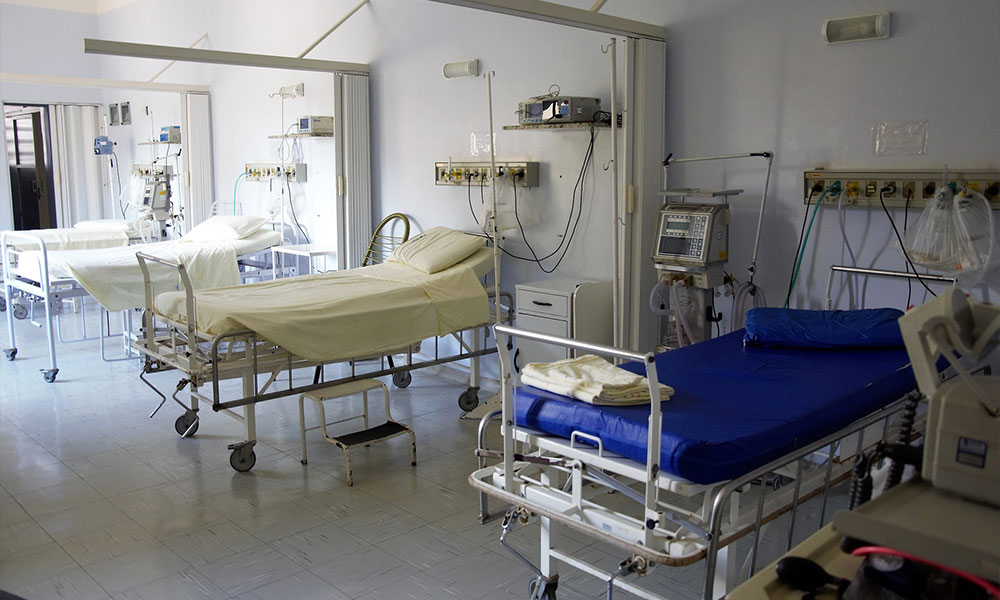
“Malaysia now has more private hospitals (207) than public hospitals (160).
“Where will the additional healthcare workforce for these expanding private hospitals come from, especially medical officers and specialists?” she asked.
Despite this, she said, public hospitals continue to shoulder most of the national caseload - handling between 64-94 percent of major healthcare services - while still struggling with insufficient beds.
Cecilia warned that long waiting times, overcrowding, and worsening working conditions pose a threat to Malaysia’s commitment to universal health coverage (UHC).
“Policymakers cannot continue to ignore the contradiction between claiming to uphold UHC and simultaneously promoting medical tourism,” she said.
She further cited the World Health Organization’s assertion that the highest attainable standard of healthcare is a fundamental human right.
“To uphold this right, policymakers must take immediate action to impose a moratorium on private hospitals for the next five years,” she stressed. - Malaysiakini, 11/12/2025
No comments:
Post a Comment