Sometimes we cannot depend on Prime Minister, politicians and even government to act in defence of people and communities. The PEOPLE must act against injustice and in defence of their HUMAN RIGHTS and rights of others..
Sometimes POLITICIANS are all TALK NO ACTION - it is foolish at times to believe verbal commitments, assurances and PROMISES that sound GOOD - because after that the PEOPLE's problems, issues and causes are forgotten ...
WE have to go to the PUBLIC to fight for rights and justice in PUBLIC. We have to tell people the ISSUES so they can understand our PLIGHT and then JOIN IN THE FIGHT for Justice...
In Malaysia, the law says that the PUBLIC must be consulted for some DEVELOPMENT Project - but it may not happen, because sometimes these 'politically-appointed'(not democratically chosen and elected by the people/community' STEAL our rights of PUBLIC PARTICIPATION - The political appointees 'quietly' give the approval for these projects without the community knowing. WHY? They are political appointees so they listen to the political masters not the people...or sometimes, BRIBES too may be involved... When the people then protest, the government's answer is that the people were consulted - and the people agreed and may show you letters of Ketua Kampung or JKKK or even the political appointed Local Council(not chosen and elected by the people) - That is why in Malaysia, we need DEMOCRATICALLY ELECTED BY THE PEOPLE COMMUNITY REPRESENTATIVES...Were the people in Kuantan/Gebeng consulted before the Rare Earth Lynas factory was approved.
Did the PM Anwar Ibrahim's MADANI government even REALLY consult the people before now extending Lynas licence for 10 Years?
People must stop relying on promises of politicians - and FIGHT on their own for JUSTICE and Human Rights.
Below is the struggle of a community and others for the ENVIRONMENT and for their rights...

Opposition to Krong Pinang Dam in Yala Province: Three Demands Citing Community Rights Violations
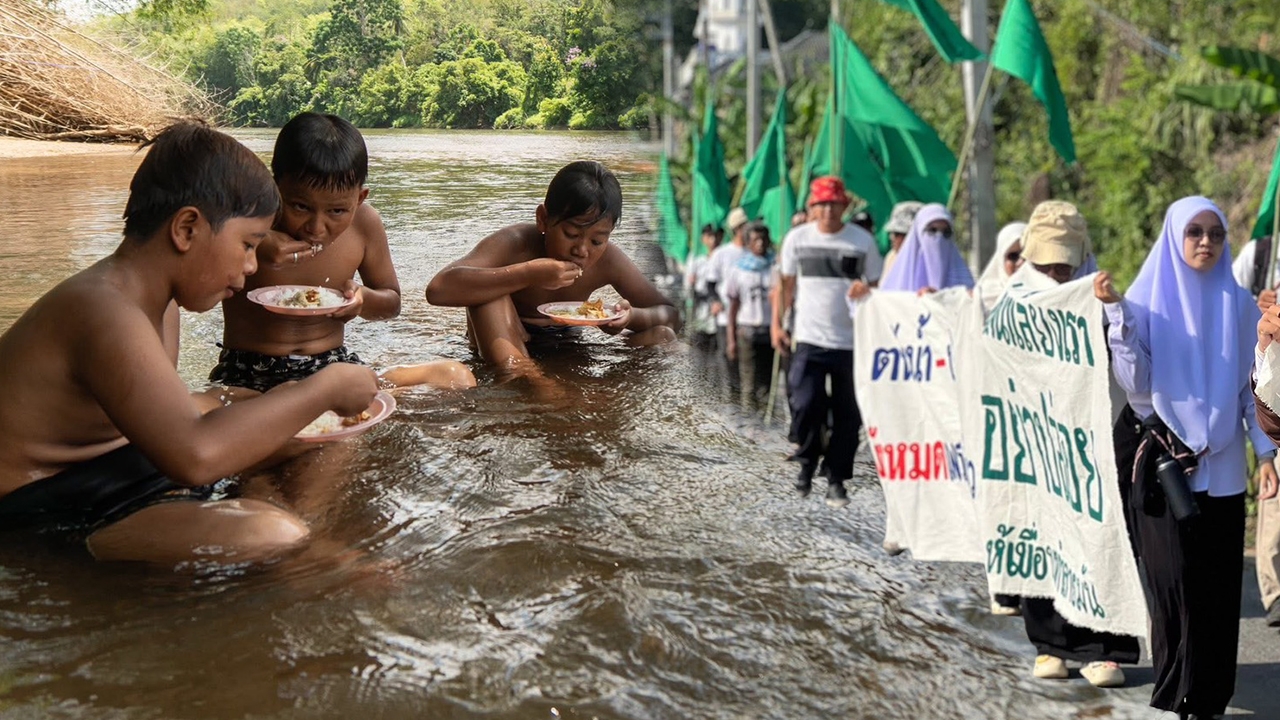
Civil society opposes the Krong Pinang Dam in Yala Province, submitting three demands to “stop the project,” citing violations of community rights and river rights under international law related to the river.
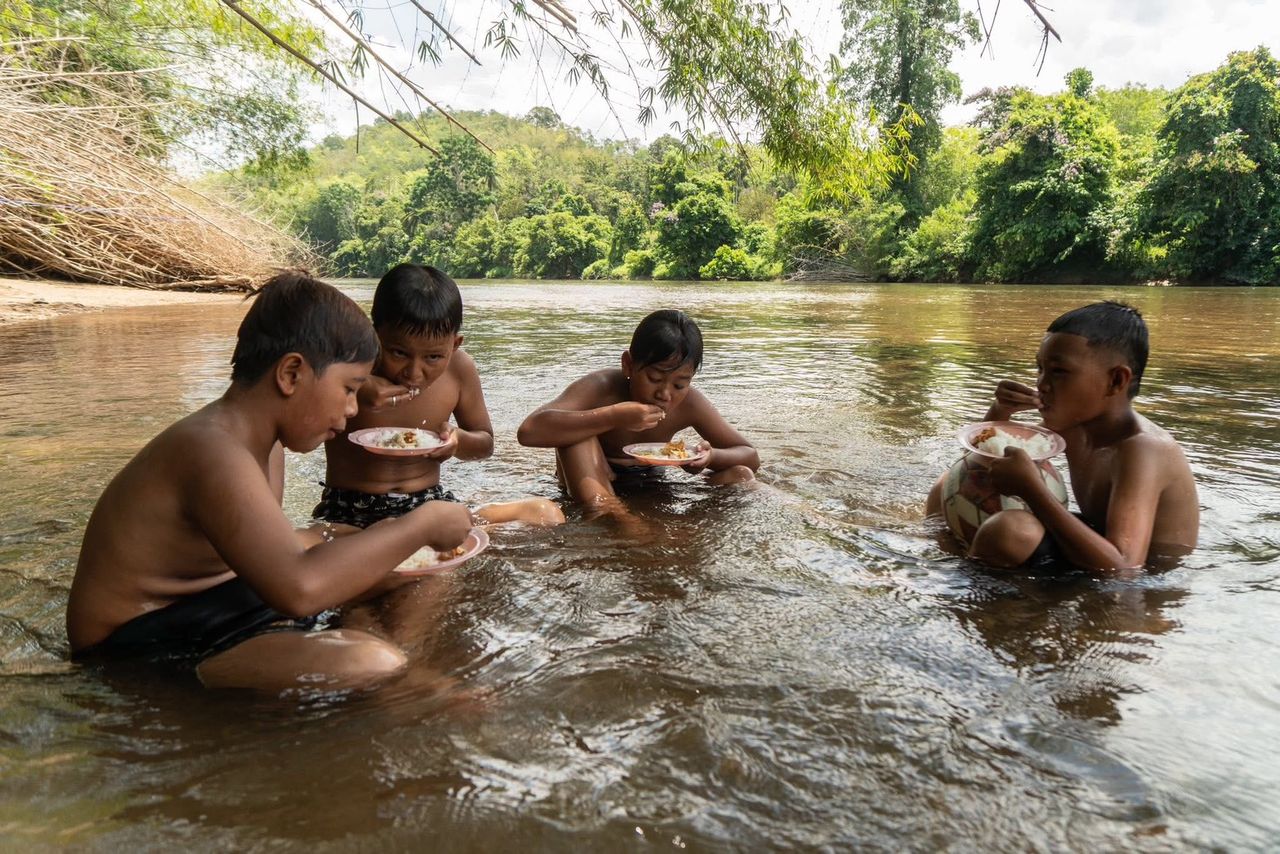
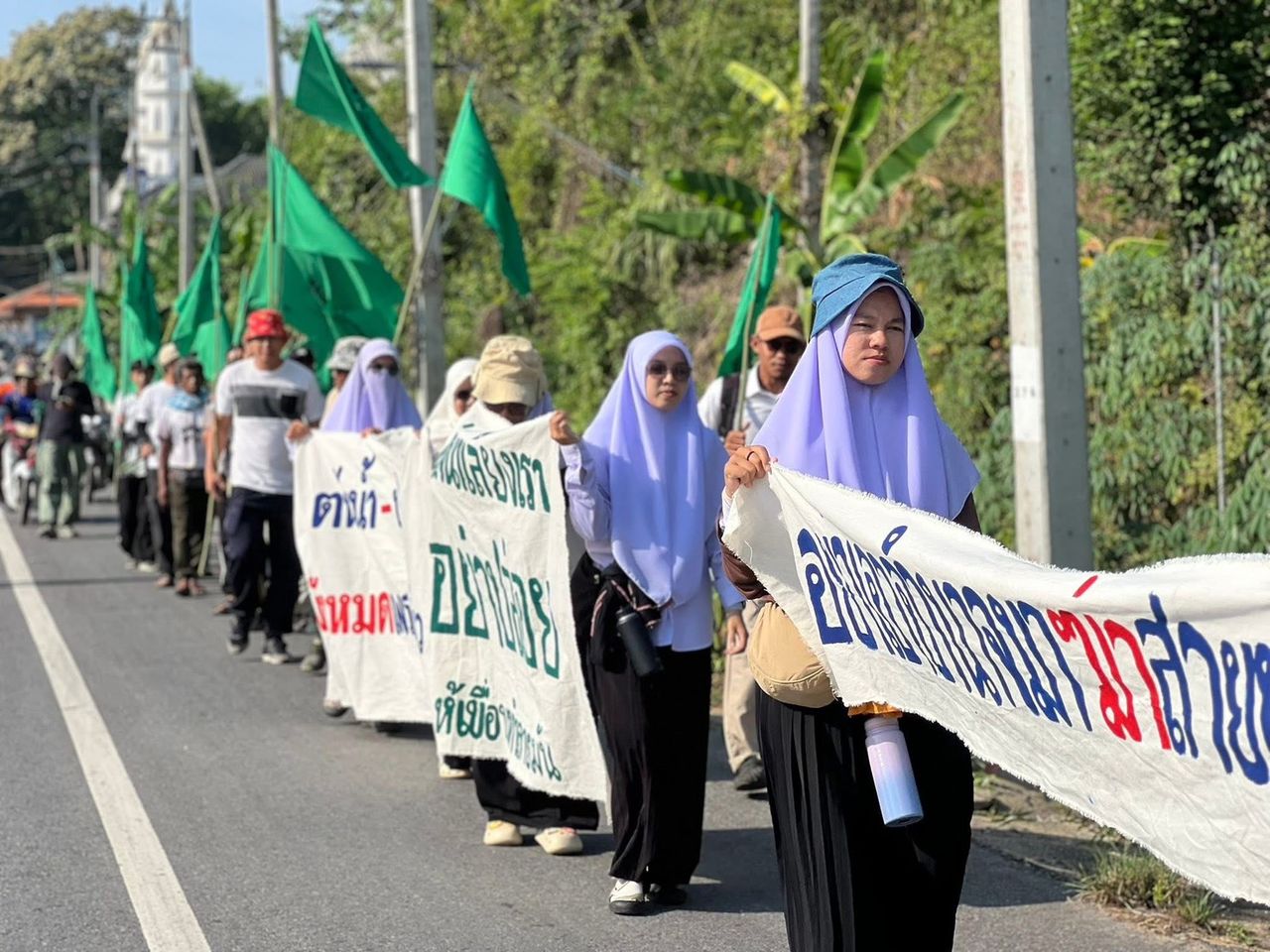
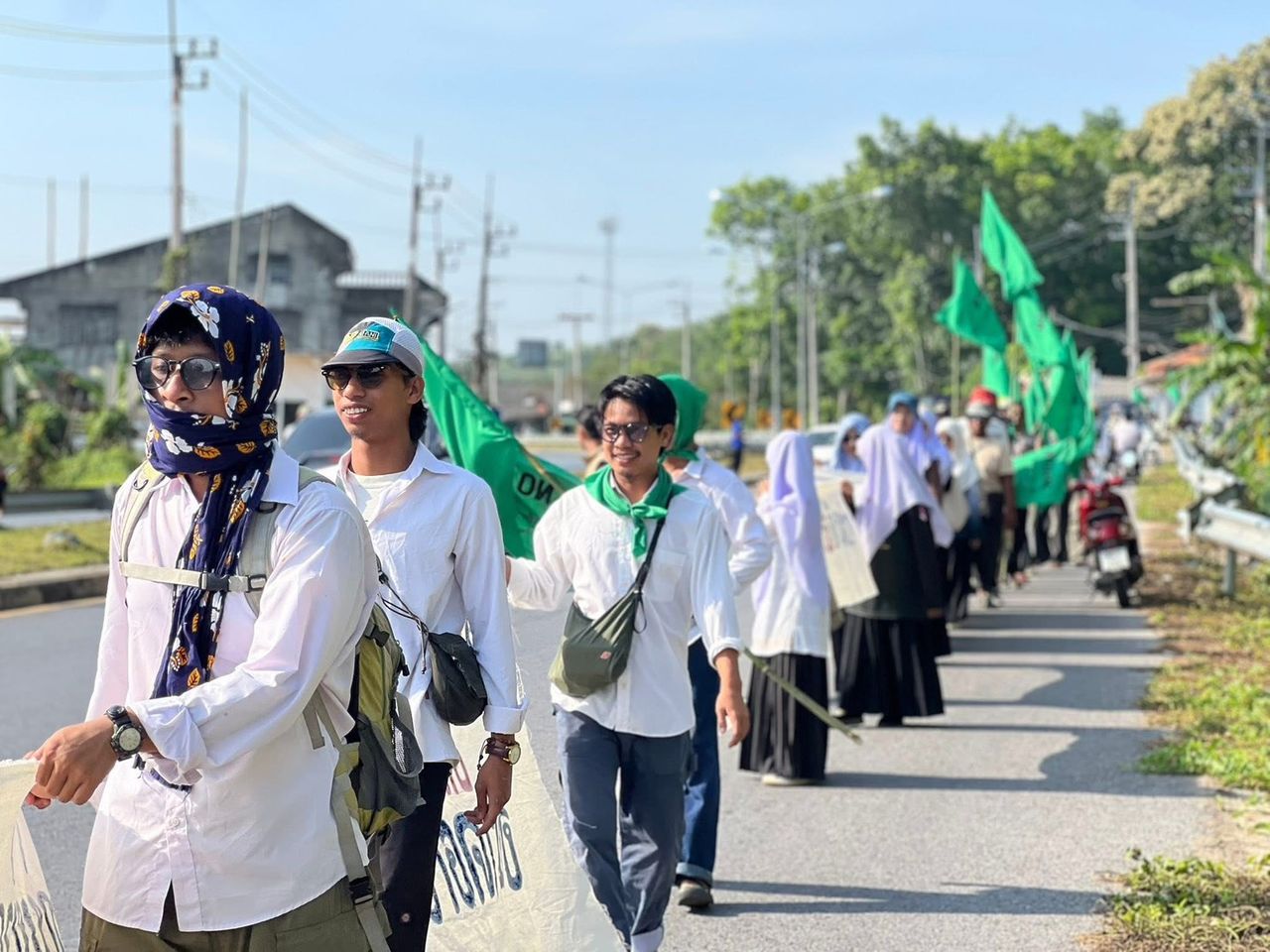
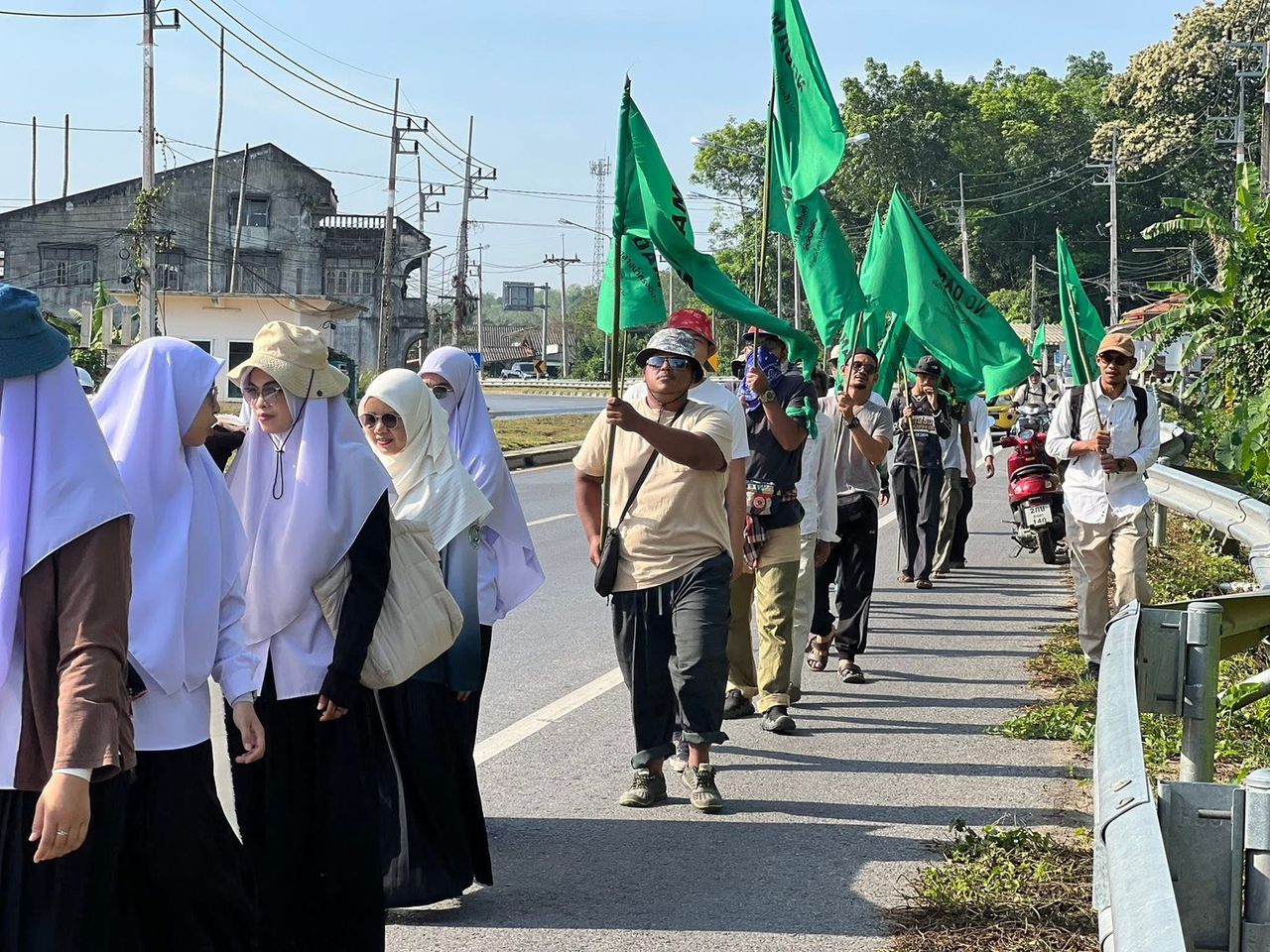
The Pattani River Protection Network, together with human rights defenders and residents of Krong Pinang District and the Pattani River Basin community network, organized a 19-kilometer march from Ban Lue Mu community in Yala Province, where the project site is located, to the Southern Border Provinces Administrative Center (SBPAC) to submit a letter to its secretary-general on 4–5 May.
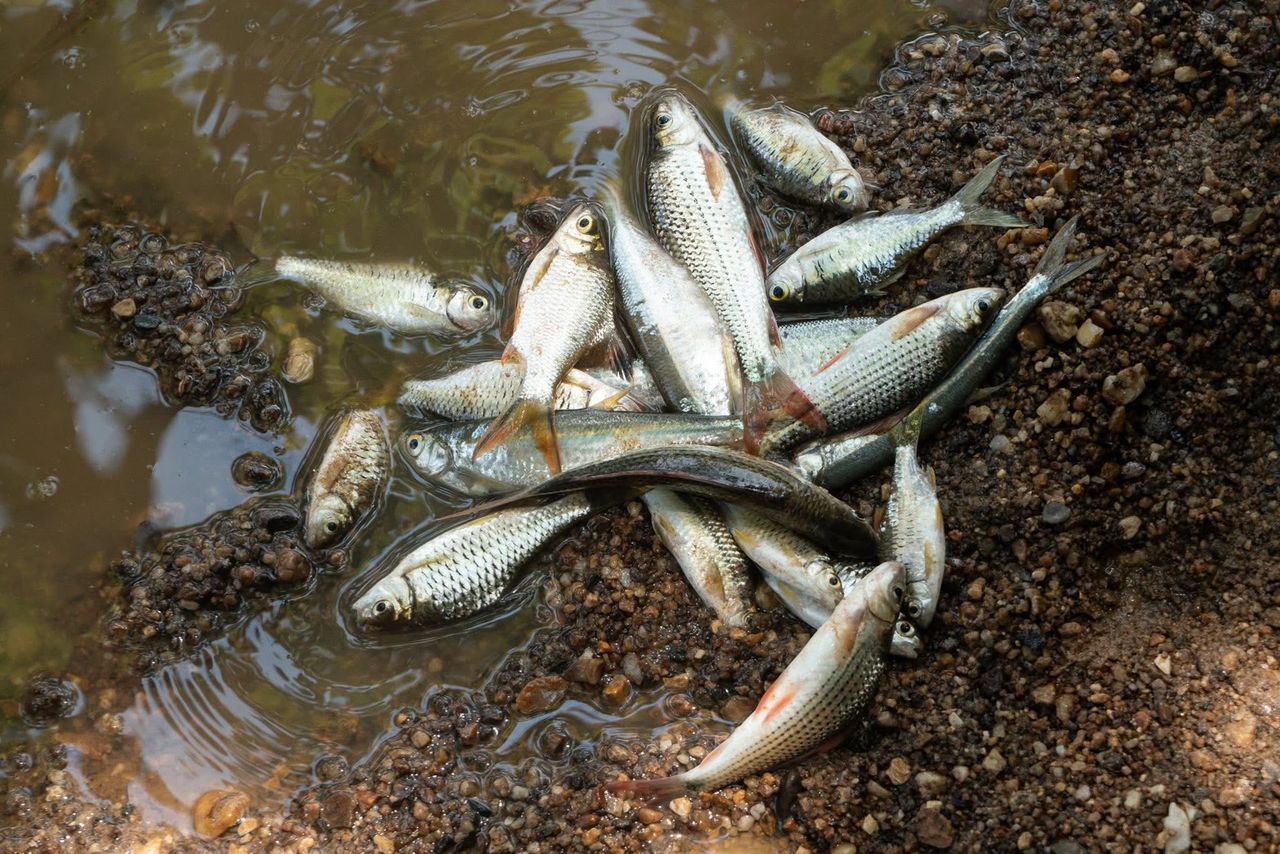
The network's three demands are to halt the Krong Pinang water gate project and propose its suspension to the Cabinet, stating that the project will affect the livelihoods, economy, and culture of communities along the Pattani River, as well as the river's ecosystem in the long term. They also call for canceling the EIA report and revoking the 1967 Pattani River Basin Development Plan.
Environmental impact analysis report lacks public participation.
The network stated that the Environmental Impact Assessment (EIA) report, prepared by a consultancy hired by the Royal Irrigation Department between 2017 and 2019, has critical flaws regarding completeness of information and public participation processes. Much of the information does not align with facts on the ground and fails to truly reflect how communities use the resources.
The communities therefore view the EIA as illegitimate and believe it may lead to policy decisions unfairly impacting the people.
Large-scale project impacts 10 riverside communities.
The Krong Pinang water gate project is part of the Pattani River Basin development plan since 1967, continuing from the construction of Bang Lang and Mae Lan dams. It consists of eight water gates, 88 meters wide, 8 meters high, and 80 meters long, with a budget of 3,565.52 million baht.
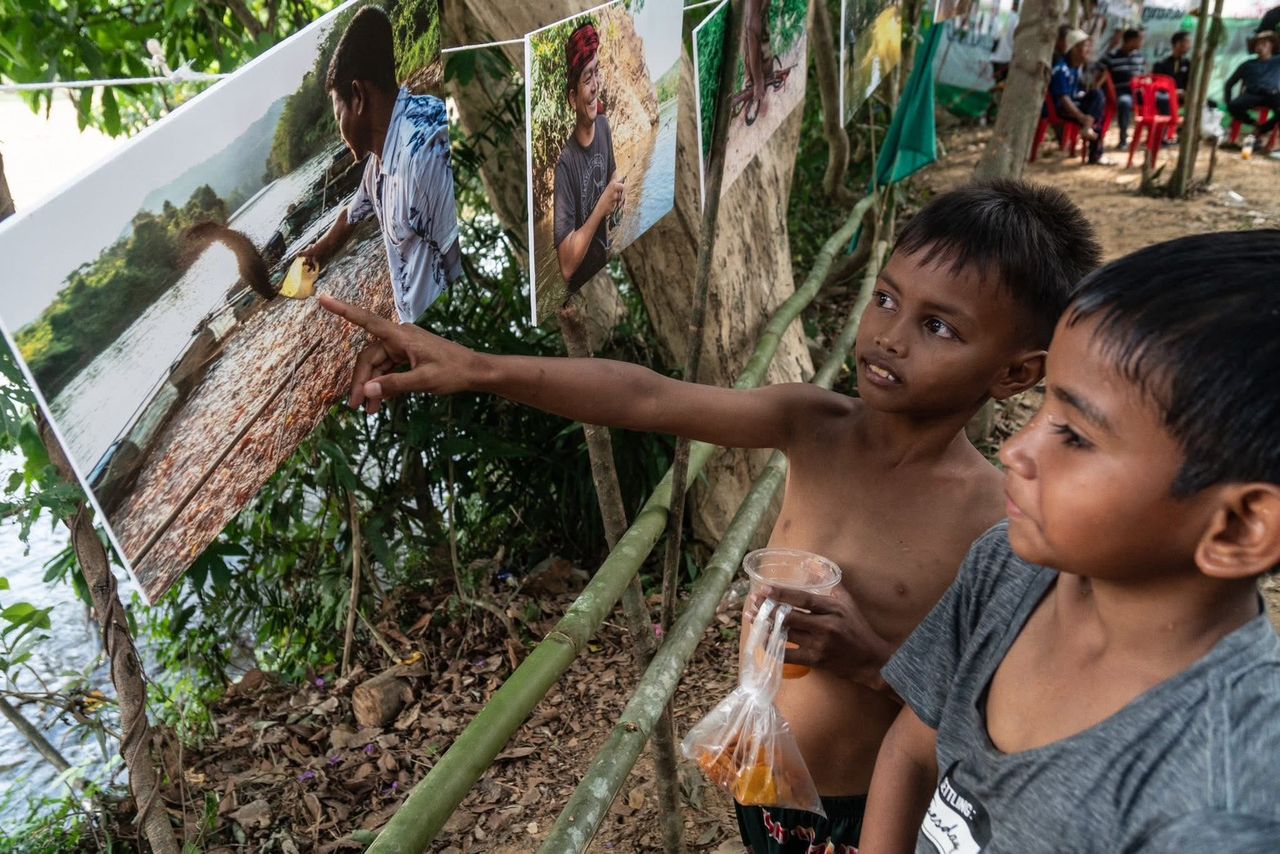
The project will straighten and dam the Pattani River, expected to directly affect at least 10 riverside communities in terms of their economy, lifestyle, and local culture.
"River rights" under international law.
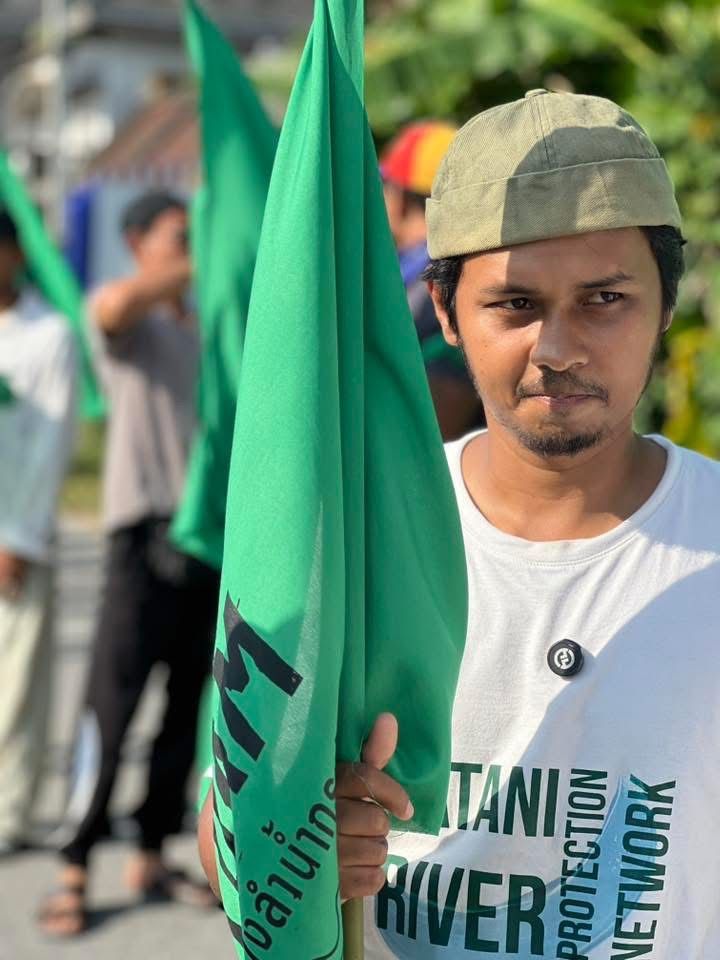
Sohabudin Loyapa, a human rights defender and coordinator of the Pattani River Protection Network, said their three main demands are to halt this project, initiate a water management process that respects ecosystems and community ways of life, and to cancel the EIA report and the 1967 Pattani River Basin Development Plan.
He added that the project not only impacts domestic community rights but also violates international human rights principles, especially the public’s right to participate in environmental decisions, fair access to natural resources, and the right to maintain local community lifestyles and cultures.
This includes the increasingly recognized international principle of "Rights of Rivers," which views rivers not merely as resources to be used but as ecosystems with rights to exist, be restored, and flow naturally.
This principle aligns with trends in international law and rulings in several countries that recognize legal status for rivers and emphasize the state's duty to protect ecosystems alongside community rights.
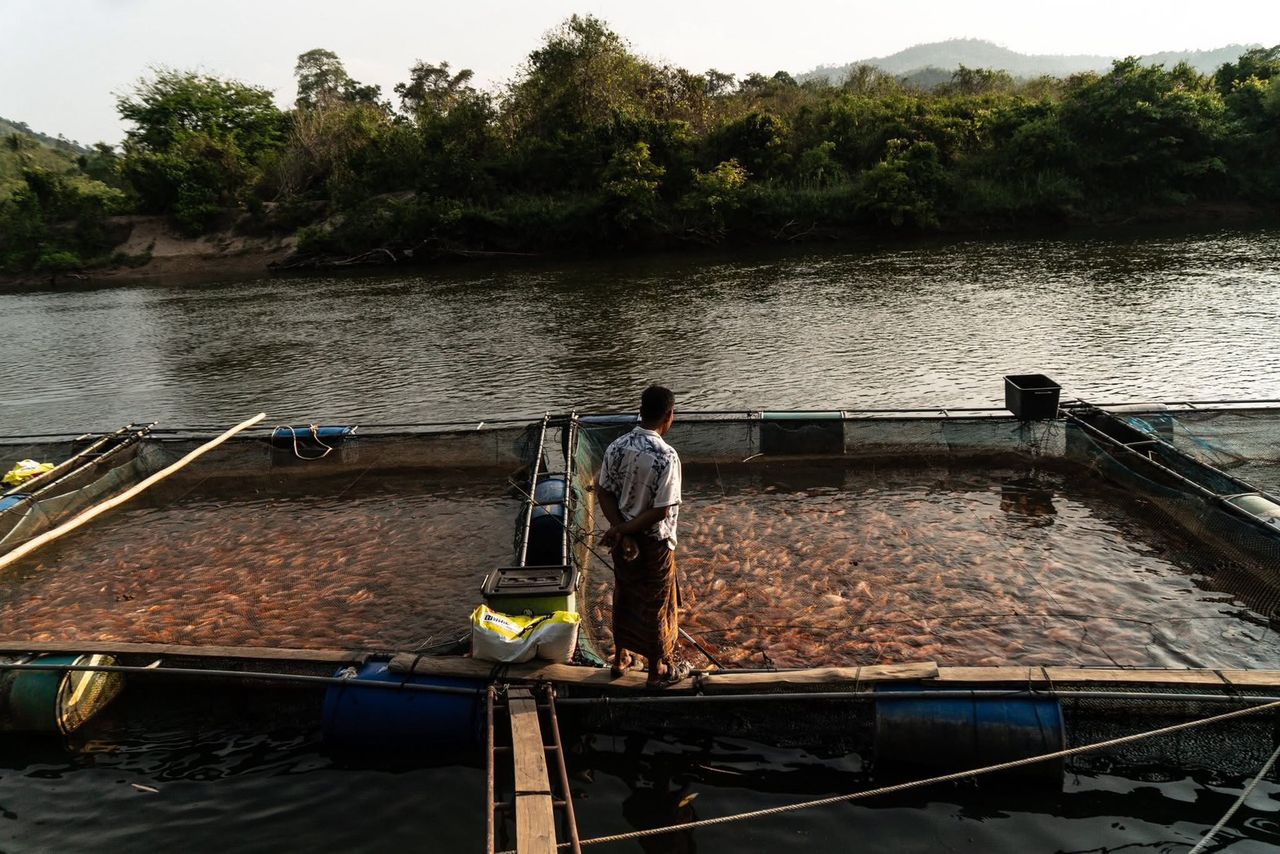
The walk aims to communicate publicly and to policymakers that the community does not consent to the project and calls on the government to reconsider water management approaches based on social and environmental justice.
Photo by Pattani River Protection Network - Thairath, 5/5/2026


 Posts
Posts




No comments:
Post a Comment